Alaska Slab Frost Heave Mortgage Guide
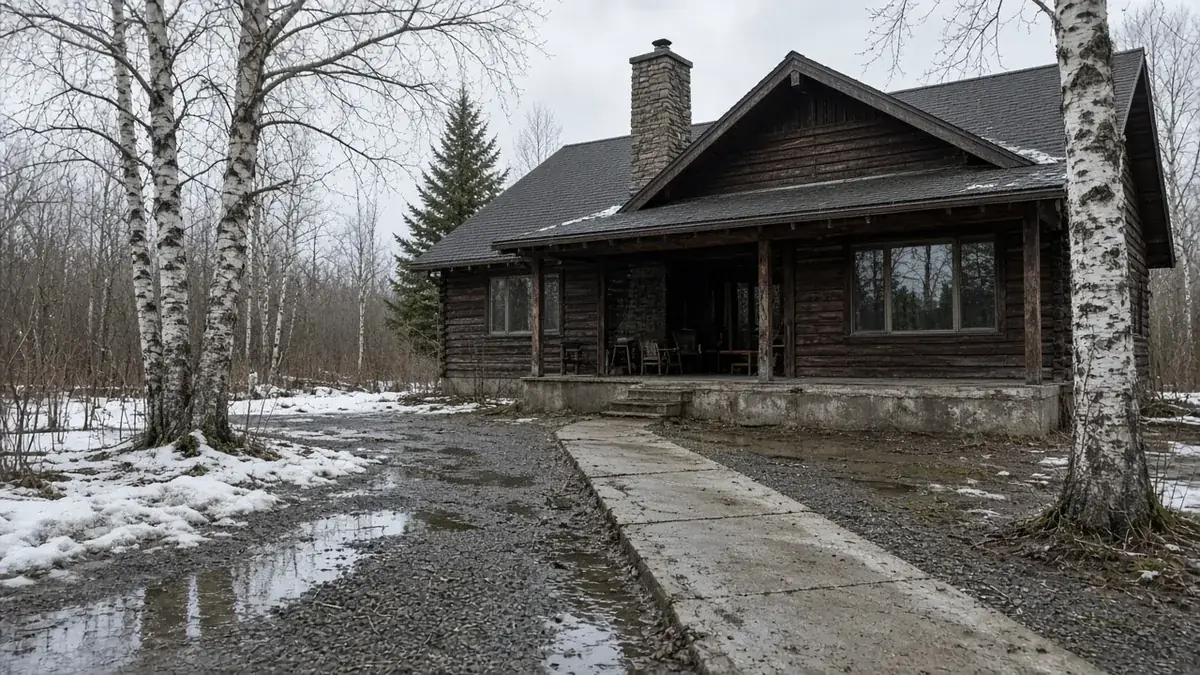
An Alaska slab frost heave mortgage is a loan on a southcentral house whose concrete slab has been lifted by ice in the soil. The clue is movement: a corner higher than the others, a crack that works with the seasons, a door that sticks from the first hard freeze through breakup. The mortgage question is not the physics lecture. It is what the appraiser writes about structural soundness, and what the lender does with that sentence.
This is not a permafrost foundation file. That page is piles, posts, and frozen ground in the Interior and the Arctic. Southcentral slabs sit in seasonal frost: Anchorage, the Mat-Su, the Kenai Peninsula. The ground thaws every summer. This is also not a snow-load appraisal. Snow load is the roof. A heaved slab and a sagging ridge can exist in the same house, and they are different write-ups.
Alaska Home HQ is educational. It is not a lender and it is not an engineer. Rates vary. Subject to credit approval.
What an Alaska slab frost heave mortgage appraiser is looking at
The U.S. Army Corps of Engineers, in Engineer Manual 1110-3-138, defines frost heave as the raising of a surface due to formation of ice in the underlying soil. The same manual says significant ice segregation needs three things at once: frost-susceptible soil, freezing temperatures in that soil, and water to feed the ice. It describes ice segregation as ice growing in lenses, layers, veins, and masses. Soils with a fine fraction are the ones it treats as frost-susceptible. Silts are the usual Southcentral problem under a slab. Clean gravel generally is not. A slab poured on silt, with water running toward the edge every breakup, is the house this article is about.
You see the result inside the house before you see the soil. Interior doors that will not latch in February and close fine in July. A drywall crack at a corner that opens in winter. A garage slab that tipped toward the house, so meltwater sits against the wall. A walk that used to meet the entry and now stands proud of it. None of those, by themselves, is a loan decision. They are what an appraiser photographs.
Fannie Mae’s general property eligibility rules require the premises to be safe, sound, and structurally secure. The appraiser’s job is to say whether the movement affects that, and whether it affects marketability. A comment that the slab shows old, stable heave, the house is sound, and buyers in the neighborhood know this pattern, is a different file from a comment that says the condition is ongoing or the structure is not sound. The second comment comes back as a condition. Typical conditions are an engineer’s letter, a repair, or both. A seller’s note that “it has been like that for years” does not erase the comment.
The engineer, not this page, says whether movement is still happening and what a repair would be. People talk about drainage, about keeping water away from the slab edge, and about the soil under that edge. Those are topics for the letter. This article does not prescribe a repair, a depth of gravel, or an insulation value. If the lender conditions a repair, the closing waits on the work or on a holdback the lender actually allows. Many purchase contracts have no holdback. Read the condition before you assume the loan will close around it.
Why the season changes the report
Snow hides the slab edge, the grading, and the downspouts. A report written when the site is buried may say the perimeter could not be observed, or it may miss the heave entirely. Breakup is when the doors tell the truth and the grading is visible. In Anchorage and the Valley, that window is after the snow goes and before the ground dries and the evidence gets mowed over. A buyer who inspects in January and waives the inspection is not looking at the slab this loan cares about. The home inspection guide is the buyer’s look. The appraisal is the lender’s look. They are not substitutes. An inspector can flag heave and the appraiser can still call the house sound, or the reverse.
Water is one of the three conditions in the Corps manual. A gutter that dumps at the corner, a driveway sloped at the garage, and a swale that disappeared when a previous owner added a flower bed are the clues a buyer can see without a soils lab. They do not prove heave by themselves. They explain why one corner of a silt lot moves and the other does not. Differential movement is the version that sticks doors. Uniform lift of an entire slab is less common in the stories appraisers write, and harder to see.
A refinance surfaces the same comment. Owners live with a sticky door for a decade and then a refinance appraisal photographs it. The guide’s soundness sentence does not switch off because the loan is a refinance. The same is true of a purchase from an estate that did not mention the slab. The listing’s silence is not an appraisal.
What the file can and cannot absorb
If the appraiser says the house is structurally sound and the heave is not affecting marketability, the comment can sit in the report as information. The underwriter is not required by this article to ignore it, and a lender may still ask for the engineer. That request is an overlay on that file. Another lender may fund on the appraiser’s “sound” sentence. Neither outcome is promised here.
If the appraiser says the property is not structurally sound, the Fannie eligibility sentence is the problem. Curing it means the repair the engineer and the lender accept, then a completion or a new observation. It does not mean a larger down payment. Cash at closing does not make a slab sound. A buyer who loves the house can still buy it once the condition is resolved, or can negotiate the repair into the contract. The inspection contingency is the contract clock for that negotiation. The mortgage condition is a separate clock. Missing the contract date does not satisfy the lender, and satisfying the lender does not extend the contract.
Permafrost country is a different soil. A slab that heaves in Anchorage is seasonal ice in silt. A post foundation in Fairbanks that racks because the frozen ground is thawing is the permafrost article. Do not send a Southcentral slab file down the pile-foundation path, and do not send a permafrost house through this page because someone said “frost.”
The Permanent Fund Dividend is sometimes what a household has set aside. It can help pay a repair the lender conditions. It is not a repair, and it does not change the appraiser’s sentence about soundness.
Ready to explore your options? Get a free home loan quote from Premier Mortgage (NMLS# 1168048).
Frequently Asked Questions
Does a sticky door in winter mean the loan will fail?
No. A sticky door is a clue, and the decision is the appraiser’s comment on whether the house is safe, sound, and structurally secure, and whether the movement hurts marketability. Plenty of Southcentral slabs move a little and still support a loan. A comment that the structure is not sound is the file that stops.
Does a winter inspection show the slab?
The slab edge, the grading, and the downspouts are hard to see under snow. A January report can miss the heave or can honestly say the perimeter was not observed. Looking again when the ground is bare gives the inspector and the appraiser something to photograph. The contract dates still control whether you have time to do that.
Is frost heave the same problem as a cracked garage floor from a car?
A local crack from a point load is not ice in the soil. Heave, in the Corps manual’s definition, is the surface rising because ice formed underneath. The pattern that matters is seasonal movement, often at an edge or a corner, with doors and trim that change through the winter. The appraiser and, if needed, the engineer separate those causes.
Can I buy the house and fix the slab after closing?
Only if the lender does not condition the repair before closing. When the appraisal says the property is not structurally sound, the eligibility rule is in the way until that condition is cleared. A plan to fix it next summer is a conversation with the lender, not a fact this article can promise they will accept.
Does homeowner’s insurance pay for frost heave?
Policies differ, and many exclude earth movement. This page is the mortgage question, not a coverage opinion. Read the policy, or ask the insurer, before you treat an insurance claim as the way the lender’s repair condition gets paid. The loan condition and the insurance claim are separate files.
Ready to Take the Next Step?
Get a free home loan quote today through our trusted partner.
Or call 9078411600
Disclaimer: This article is for informational purposes only and does not constitute financial, mortgage, legal, or tax advice. Interest rates, loan programs, eligibility requirements, and fees are subject to change without notice and may vary based on your individual circumstances. Alaska Home HQ is not a lender, broker, or financial institution. All loan applications are processed by Premier Mortgage (NMLS: 1168048). We may have a business relationship with Premier Mortgage and may receive compensation when you use their services through our links. Consult a licensed mortgage professional before making financial decisions. Terms of Service · Privacy Policy