Landscaping in Alaska: What Homeowners Need to Know
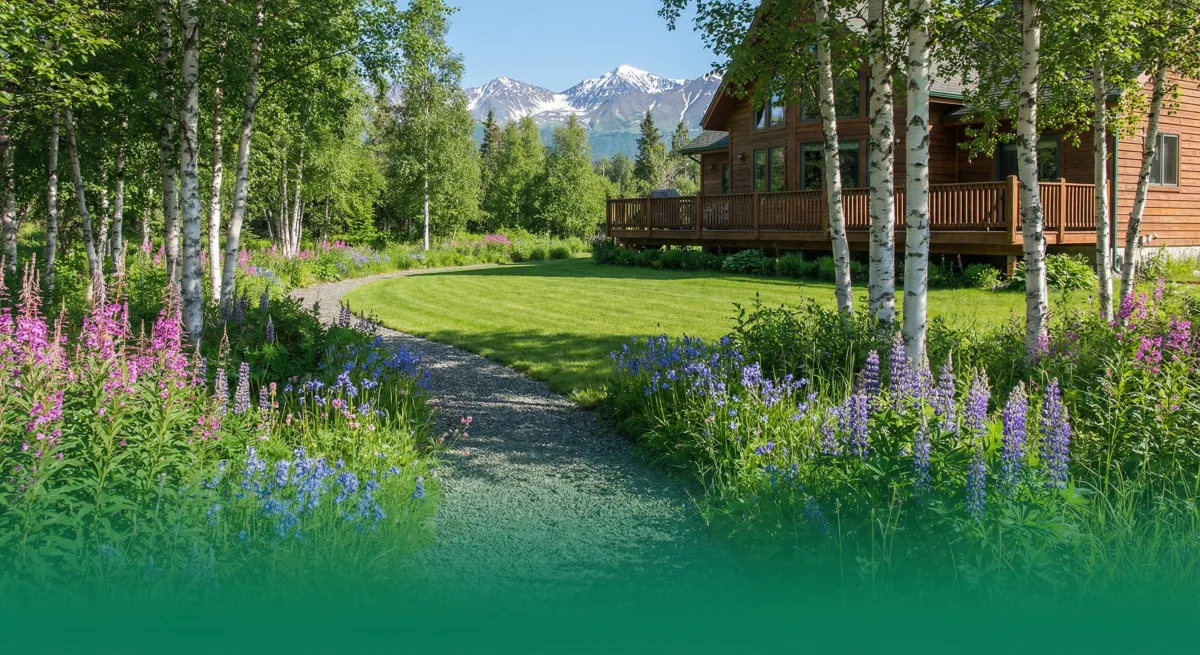
Landscaping in Alaska: What Homeowners Need to Know
Landscaping in Alaska operates on its own rules. The combination of a compressed growing season, extreme temperature swings, permafrost in some areas, and nearly 24 hours of summer daylight creates both unique challenges and surprising opportunities. Whether you’ve just purchased a home in Eagle River or you’re refreshing a property in the Mat-Su Valley, understanding Alaska’s landscaping fundamentals can save you time, money, and frustration.
Alaska’s Growing Season: Working with What You’ve Got
The most defining factor for Alaska landscaping is the growing season — much shorter than the Lower 48, but remarkably productive thanks to extended summer daylight.
Growing Seasons by Region
| Region | Approximate Season | Frost-Free Days |
|---|---|---|
| Anchorage / Eagle River | Mid-May to Mid-September | 110-130 |
| Mat-Su Valley | Late May to Early September | 90-115 |
| Fairbanks | Late May to Late August | 85-105 |
| Kenai Peninsula | Mid-May to Mid-September | 100-120 |
| Southeast (Juneau) | Late April to Mid-October | 130-150 |
Despite the shorter season, Alaska’s extended summer daylight (up to 19+ hours in Anchorage) drives rapid plant growth. Gardens and landscapes that would take months to fill in Down South can achieve impressive growth in a single Alaska summer.
Timing Your Projects
- April-May: Clean up winter debris, assess damage, plan projects, start hardy plants indoors
- May-June: Begin planting after last frost, install hardscaping, lay sod
- July-August: Peak growing season — maintain, water, fertilize
- September: Begin fall cleanup, plant spring bulbs, winterize irrigation
- October-November: Final cleanup, protect vulnerable plants, prepare for snow
Native and Adapted Plants for Alaska
Choosing the right plants is perhaps the most important landscaping decision in Alaska. Native and cold-adapted species have the best chance of thriving with minimal intervention.
Trees
- Birch (Betula papyrifera): Alaska’s iconic white birch thrives throughout Southcentral and is beautiful year-round
- Spruce (Picea glauca, P. sitchensis): Native evergreens that provide year-round structure and wind protection
- Mountain Ash (Sorbus): Produces clusters of red berries that provide fall color and attract birds
- Aspen (Populus tremuloides): Fast-growing with brilliant gold fall color, good for screening
- Cottonwood (Populus balsamifera): Native but produces messy “cotton” — consider placement carefully
Shrubs
- Highbush Cranberry (Viburnum edule): Native shrub with edible berries and fall color
- Elderberry (Sambucus racemosa): Red-berried shrub attractive to wildlife
- Potentilla (Dasiphora fruticosa): Hardy flowering shrub, blooms all summer
- Dwarf Arctic Willow: Low-growing, excellent ground cover for slopes
- Rugosa Rose: Extremely hardy, fragrant flowers, and rose hips for wildlife
- Lilac (Syringa): Many varieties perform well in Alaska’s climate
Perennials
- Lupine: Iconic Alaska wildflower, self-seeding
- Fireweed: The state’s unofficial flower, thrives in disturbed soil
- Delphinium: Grows dramatically tall in Alaska’s long days
- Peony: Alaska’s official state flower — grows exceptionally well and is commercially farmed
- Jacob’s Ladder: Native woodland perennial with blue flowers
- Columbine: Shade-tolerant, elegant blooms
- Hosta: Performs well in Alaska’s cool summers
Ground Covers
- Kinnikinnick (bearberry): Native, evergreen ground cover
- Wild strawberry: Spreads well, provides small edible fruit
- Creeping thyme: Hardy, fragrant, tolerates light foot traffic
- Clover: Low-maintenance, nitrogen-fixing, good for pathways
Hardscaping: Gravel, Stone, and Structure
In Alaska, hardscaping elements often take on greater importance than in milder climates. They provide year-round structure, reduce maintenance, and address functional needs.
Gravel and Rock Landscaping
Gravel is a landscaping staple in Alaska for good reason:
- Low maintenance: No mowing, watering, or seasonal replanting
- Drainage: Promotes water flow away from foundations
- Durability: Withstands freeze-thaw cycles and snow removal
- Versatility: Available in various colors, sizes, and types
Common applications include driveways, pathways, decorative beds, and drainage areas. Local gravel sources keep costs reasonable in most Alaska communities.
Retaining Walls
Many Alaska properties — especially in hilly areas like Anchorage’s hillside, Eagle River, and Juneau — require retaining walls for:
- Slope stabilization: Preventing soil movement on inclines
- Level outdoor spaces: Creating usable yard areas on sloped lots
- Driveway support: Maintaining access roads on uneven terrain
- Erosion control: Protecting against water and snowmelt damage
Retaining wall materials that perform well in Alaska include:
- Concrete block systems (interlocking)
- Treated timber (pressure-treated or naturally rot-resistant)
- Boulder walls (using local stone)
- Gabion baskets (wire baskets filled with rock)
Important: Walls over 4 feet typically require engineered design and permits. Frost depth and drainage behind the wall are critical in Alaska — improperly built retaining walls often fail within a few years due to frost heave.
Patios and Outdoor Living Spaces
Alaska’s summer weather invites outdoor living, and a well-designed patio extends your usable space:
- Pavers: Interlocking concrete pavers handle freeze-thaw better than poured concrete
- Gravel patios: Budget-friendly and drainage-friendly
- Wooden decks: Popular but require regular maintenance against moisture and UV
- Fire pits: A natural focal point for Alaska’s cool summer evenings
Drainage: Alaska’s Hidden Challenge
Proper drainage is arguably the most important functional aspect of Alaska landscaping. Snowmelt, rain, and poor soil drainage can create significant problems:
Common Drainage Issues
- Standing water near foundations: Can lead to moisture intrusion, mold, and structural damage
- Soggy yards: Poorly drained areas remain unusable for much of the season
- Ice buildup: Winter drainage problems create dangerous ice on walkways and driveways
- Erosion: Uncontrolled water flow erodes soil, landscaping, and even foundations
Drainage Solutions
- Grading: Ensure the ground slopes away from your home at a minimum of 6 inches over the first 10 feet
- French drains: Perforated pipe in a gravel trench to redirect subsurface water
- Swales: Shallow, graded channels that direct surface water
- Dry wells: Underground collection points for excess water
- Rain gutters and downspout extensions: Direct roof water away from the foundation
- Catch basins: Collect surface water at low points
Addressing drainage early in your landscaping plan prevents expensive problems later. For more on protecting your home’s foundation, see our guide on foundation and permafrost considerations.
Frost Heave: Planning for Movement
Frost heave occurs when moisture in the soil freezes and expands, pushing structures upward. In Alaska, frost depth can reach 5-8 feet in Interior areas and 3-5 feet in Southcentral. This affects:
- Fence posts: Must be set below frost depth or will shift annually
- Retaining walls: Require proper drainage and frost-depth foundations
- Walkways and patios: May shift and become uneven over time
- Utility posts and mailboxes: Can tilt or rise out of the ground
- Trees and shrubs: Root systems can be disrupted by significant frost heave
Mitigating Frost Heave
- Set posts and footings below the frost line (check local codes)
- Use non-frost-susceptible backfill (gravel) around posts and footings
- Ensure proper drainage to minimize moisture in the soil
- Use flexible materials (gravel paths vs. rigid concrete) where possible
- Plan for some annual adjustment of fences and structures
Lawn Care in Alaska
Yes, lawns do grow in Alaska — vigorously, in fact, during the long summer days.
Establishing a Lawn
- Sod: The fastest way to establish a lawn. Kentucky bluegrass blends designed for northern climates are widely available from Alaska sod farms.
- Seed: More affordable but takes longer to establish. Use northern-adapted grass seed mixes.
- Hydroseeding: Effective for larger areas or slopes, commonly used in new construction.
Lawn Maintenance
- Mowing: During peak season (June-August), weekly mowing is typical. Alaska’s long days can push grass growth to 2-3 inches per week.
- Fertilizing: Apply slow-release fertilizer in late May and again in mid-July. Avoid fertilizing after August to prepare grass for dormancy.
- Watering: Despite Alaska’s reputation for rain, Southcentral Alaska can experience dry spells in summer. Supplemental watering may be needed June through August.
- Aeration: Annual core aeration in spring helps combat compaction from winter snow and ice.
- Overseeding: Thin spots and winter damage can be repaired with overseeding in late May or early June.
Seasonal Maintenance Calendar
Spring (April-May)
- Rake leaves and debris from snowmelt
- Assess winter damage to plants, structures, and lawn
- Prune dead or damaged branches
- Clean gutters and check drainage paths
- Start garden beds once soil is workable
- Service lawn equipment
Summer (June-August)
- Mow lawn regularly
- Water during dry spells
- Weed garden beds
- Fertilize lawn and ornamental plants
- Monitor for pests and diseases
- Enjoy the results of your work
Fall (September-October)
- Final mowing at a slightly lower height
- Rake leaves (birch and aspen drop in September-October)
- Plant spring bulbs
- Cut back perennials after first hard frost
- Winterize irrigation systems (blow out lines)
- Protect young trees from moose damage (wire cages)
- Apply fall fertilizer to lawn
Winter (November-March)
- Manage snow removal to avoid damaging landscaping
- Avoid piling heavy snow on shrubs or young trees
- Check for moose browse damage on shrubs and trees
- Plan next year’s projects
Landscaping Costs in Alaska
| Project | Estimated Cost Range |
|---|---|
| Professional landscape design | $1,500-$5,000 |
| Sod installation (per 1,000 sq ft) | $800-$1,500 |
| Gravel pathway or patio | $1,500-$5,000 |
| Retaining wall (per linear foot) | $30-$100+ |
| Tree planting (installed) | $300-$800 per tree |
| French drain installation | $2,000-$6,000 |
| Sprinkler system | $3,000-$8,000 |
| Full landscape installation | $10,000-$50,000+ |
Costs vary based on location, materials, site complexity, and contractor availability. Getting multiple quotes is recommended, especially during the busy summer season.
Finding Landscaping Help
For professional landscaping work, consider these options:
- Local landscaping companies with Alaska-specific experience
- General contractors who offer site work and hardscaping
- Nurseries that may offer planting services
Need to finance landscaping, hardscaping, or outdoor upgrades? A HELOC or home equity loan from Premier Mortgage can fund major outdoor projects using your home equity. Premier Mortgage | NMLS# 1168048 | Equal Housing Lender
For additional home improvement guidance, explore our home renovation guide for Alaska and our tips on finding a contractor in Alaska.
Frequently Asked Questions
When is the best time to start landscaping in Alaska?
The best time to begin outdoor landscaping projects in Southcentral Alaska is mid-May through June, after the last frost and when soil is workable. Planning and design can begin earlier — winter is ideal for working with a landscape designer and ordering materials for spring installation.
What grass grows best in Alaska?
Kentucky bluegrass blends designed for northern climates are the most popular lawn grass in Alaska. These mixes are available from local sod farms and seed suppliers. For shadier areas, fine fescue blends may perform better. Annual ryegrass can be used for quick temporary cover.
How much does landscaping cost in Alaska?
A basic landscaping project (lawn, a few trees, and gravel pathways) may cost $5,000-$15,000. More comprehensive projects including retaining walls, drainage systems, patios, and extensive plantings can range from $15,000-$50,000 or more. Costs vary significantly based on site conditions, materials, and contractor availability.
Do I need to worry about moose damaging my landscaping?
Yes. Moose are common in most Alaska communities and can cause significant damage to landscaping. They browse on birch, willow, and many ornamental shrubs, especially in winter. Protecting young trees with wire cages and choosing moose-resistant plants where possible can help minimize damage.
Can I have a garden in Alaska?
Absolutely. Alaska’s long summer daylight hours create ideal growing conditions for many vegetables, flowers, and herbs. Raised beds help with drainage and soil warming. Many gardeners start seeds indoors in March and transplant after the last frost. Cool-season crops like lettuce, kale, potatoes, and peas perform particularly well.
Finance Your Home Improvement Project
A HELOC or home equity loan from Premier Mortgage lets you tap your home's value to fund renovations, repairs, and upgrades at competitive rates.
Or call 9078411600
Disclaimer: This article is for informational purposes only and does not constitute financial, mortgage, legal, or tax advice. Interest rates, loan programs, eligibility requirements, and fees are subject to change without notice and may vary based on your individual circumstances. Alaska Home HQ is not a lender, broker, or financial institution. All loan applications are processed by Premier Mortgage (NMLS: 1168048). We may have a business relationship with Premier Mortgage and may receive compensation when you use their services through our links. Consult a licensed mortgage professional before making financial decisions. Terms of Service · Privacy Policy