Hydronic Glycol Heat Mortgage Alaska
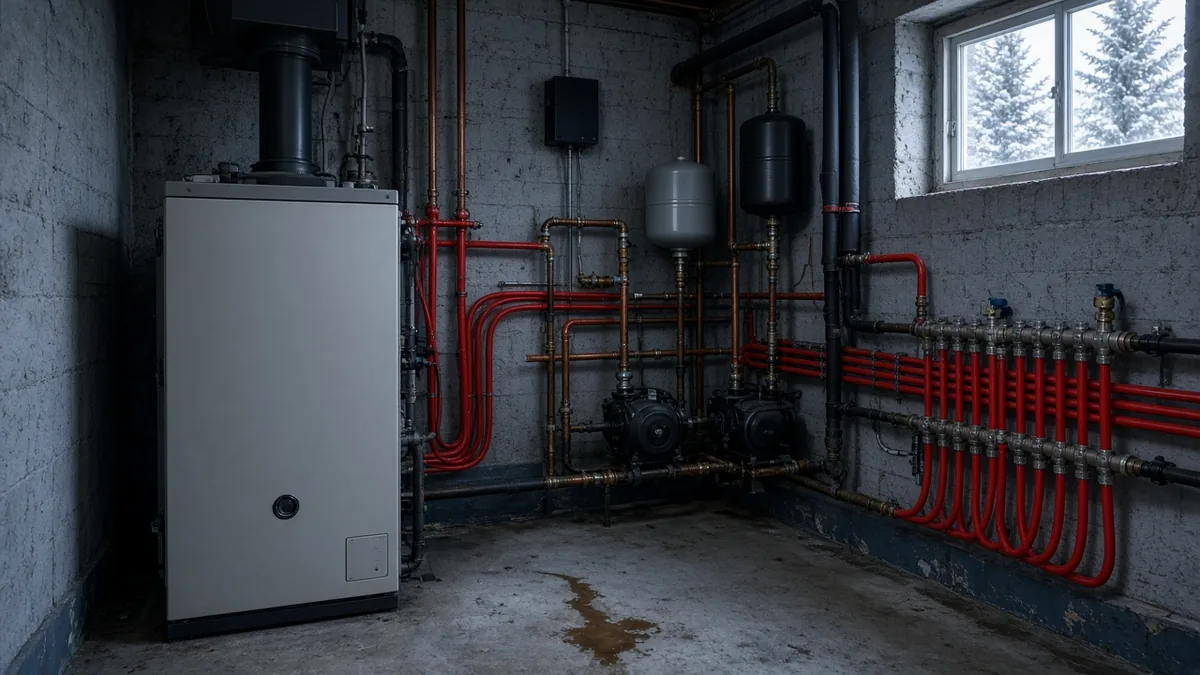
A hydronic glycol heat mortgage Alaska file is about a closed loop of water, usually mixed with glycol, that a boiler or a water heater sends through radiators or through tubing in a floor. The loan problem is a loop that leaks, a boiler that does not fire, or a mix a heating contractor says is corroding the system because the glycol was never inhibited or was never maintained. It is a mechanical-system condition. It is not a wood stove, and it is not a fireplace insert.
Alaska Home HQ is educational. It is not a lender or a heating contractor. Subject to credit approval. Solid-fuel heat is the wood stove and geothermal page. The wider habit of how Alaska houses are heated is the home heating guide. This page is only the glycol loop, in a place where a dead boiler in winter is a house that cannot be lived in, such as Fairbanks.
When hydronic glycol heat mortgage Alaska conditions appear
HUD Handbook 4000.1 tells the appraiser to report mechanical systems that look damaged or do not function. A boiler with a cold loop, a pressure gauge at zero, or a puddle of sweet-smelling fluid under the air separator is that kind of note. The handbook does not name glycol, and it does not set a mix ratio. This page will not invent one. The contractor’s reading of the fluid, and a statement that the boiler fires and the loops get warm, are the facts underwriting can use.
Glycol is in the loop so the water can sit in a cold house, a garage loop, or a seasonal cabin without freezing the tubing, and so the metal in the boiler has a chance at a controlled chemistry. Inhibited glycol is a heating product. Automotive antifreeze poured into a boiler is a different chemical people sometimes substitute. A contractor who says the fluid is uninhibited, acidic, or full of sludge is describing corrosion, not a cosmetic stain. Leaks follow. So do plugged heat exchangers. The letter should say what was tested and what the recommendation is: treat and refill, or replace damaged components. A note that says “boiler is older” does not say whether the loop holds pressure.
The FHA minimum property standards checklist is the wider list. Heat that does not work is a habitability item in a Fairbanks January in a way a mild climate does not feel. If the only heat is this boiler, a loop that will not circulate is the heat. If the house also has a monitored stove, the stove page is the other system. Document each source. An appraiser who is shown a wood stove while the boiler is valved off has not been shown a working hydronic system.
Leaks, slabs, and what a repair has to prove
A drip at a fitting in a mechanical room is a visible repair. A leak in tubing under a slab is a different job, because the evidence is a pressure test and a warm spot, or a pressure test and no warm spot. Ask the contractor to say whether the loop holds pressure, which zone failed, and whether the repair is a fitting or a abandoned loop with a new one tied in. Houses lose a zone and keep heating the rest. The appraisal may still call the system short if a room that is part of the living area has no heat. Say which rooms the remaining loops serve.
Uninhibited fluid is a maintenance failure that becomes a lending failure when the boiler is already damaged. Flushing and refilling is one scope. Replacing a heat exchanger is another. Replacing a boiler because the old one was run dry is a third. The bid that says “heating repair” without naming those choices will not satisfy a condition that says the heat has to function. After the work, the useful closeout is simple. The system holds pressure. The fluid in it is a heating glycol the contractor names. The zones get warm. Photos of a new box, with the old leak still active in a manifold, are not that closeout.
Fairbanks and the Interior add a vacant-house problem. A property that sat empty with a dead boiler can have freeze damage that is wider than the glycol loop: supply lines, a washing-machine hose, a sprinkler that somebody added. The frozen-pipe page is that wider risk. This page stays on the heating loop. If both failed, say both. A pressure test of the glycol side does not prove the domestic water is intact.
Insurance, fuel, and the appraisal visit
Carriers ask what heats the house. “Boiler” is a true answer only if the boiler works on the day they bind, or on the conditions they wrote. A system that is down for a flush may still be acceptable if the contractor’s letter gives a completion plan and the appraisal is honest about whether heat was observed. Coordinating those two readers is the borrower’s job. The insurance requirements explain why the binder is in the loan file at all.
Fuel is adjacent and easy to mix up. An oil tank that feeds a boiler is the heating-oil tank page. A natural-gas or propane boiler has a fuel train of its own. The glycol is the water side. The burner is the fire side. A leaking tank and a leaking loop are two repairs. Photograph both so the conditions do not get crossed in underwriting.
On appraisal day, have the system warm if it can be operated safely. An appraiser who finds a cold house and a valved-off boiler will write what was observed. A seller who says “it works, we just turned it down” needs the contractor, or a clear startup, before that visit. Remote cabins where the boiler is drained for the season are a different disclosure. Say the system is drained, and say what it takes to return it to service. A drained seasonal system and a corroded abandoned system look similar in a cold mechanical room. The letter is how a reader tells them apart.
Rates vary and are subject to credit approval. When a contractor’s letter says the loop holds and the heat runs, Premier Mortgage (NMLS# 1168048) can look at whether the loan matches the house that will actually stay warm.
Frequently Asked Questions
Does a mortgage require a certain glycol mixture in the boiler?
This page does not state a mix ratio, because the handbook does not either. The condition is a heating system that functions and is not visibly damaged. A contractor’s test of the fluid, and a statement that the loops heat, is the document lenders use. Automotive antifreeze dumped into a boiler is a fact worth putting in that letter, because it is a different product from heating glycol.
Is in-floor heat treated differently from baseboard loops?
Both are hydronic if a pump is moving water through tubing. In-floor tubing that leaks under a slab is harder to see and harder to repair than a fitting in a mechanical room. The letter should say which zones hold pressure and which rooms they heat. A house that heats the garage and not the bedrooms is not a house with whole-home heat, whatever the listing says.
Can the seller credit the buyer and leave a dead boiler?
Only if the appraisal and the insurer accept a house without that heat, or accept a different heat source that actually works. A credit that leaves a non-functioning sole heat source does not satisfy a report that is subject to a working heating system. The purchase contract names who pays. The stricter of the appraisal and the insurance binder controls the closing.
Does a wood stove replace a failed glycol loop for the loan?
Sometimes a house has both, and they are documented as separate systems. A stove does not repair a leaking loop, and a working boiler does not answer a stove question. If the appraisal treats the boiler as the required heat, the stove page will not clear the condition. Say which appliance was operating when the appraiser visited.
What if the house was vacant and the loops froze?
Say so, and pressure-test more than the boiler. Freeze damage often includes domestic lines that have nothing to do with glycol. The heating letter and a plumbing letter are two documents. A single note that says “we got the heat going” can miss a split washing-machine hose that will flood the house after closing. Walk the mechanical room with both trades if the house sat empty in an Interior winter.
Ready to Take the Next Step?
Get a free home loan quote today through our trusted partner.
Or call 9078411600
Disclaimer: This article is for informational purposes only and does not constitute financial, mortgage, legal, or tax advice. Interest rates, loan programs, eligibility requirements, and fees are subject to change without notice and may vary based on your individual circumstances. Alaska Home HQ is not a lender, broker, or financial institution. All loan applications are processed by Premier Mortgage (NMLS: 1168048). We may have a business relationship with Premier Mortgage and may receive compensation when you use their services through our links. Consult a licensed mortgage professional before making financial decisions. Terms of Service · Privacy Policy